
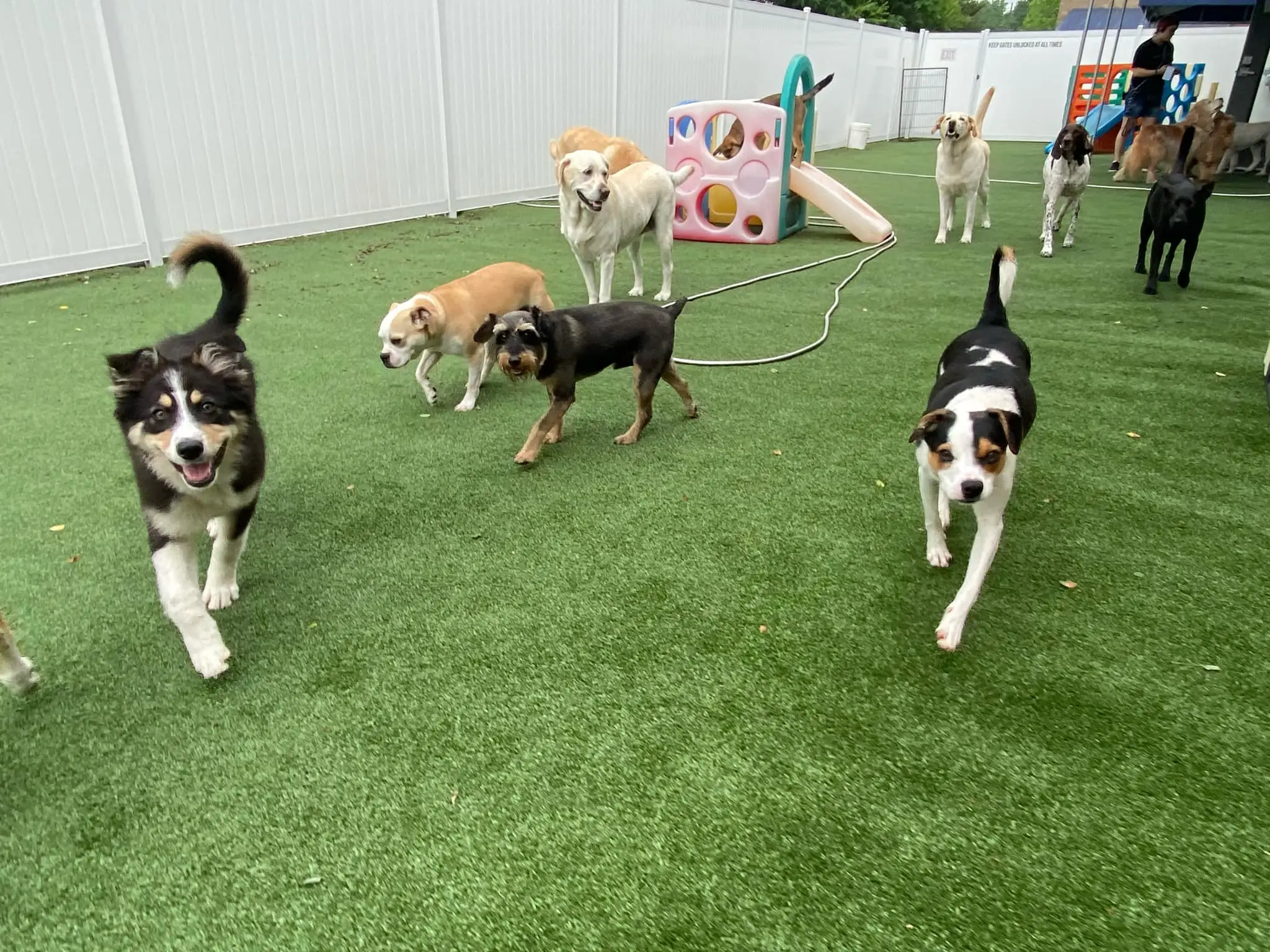
Leaving your dog overnight raises some pretty specific questions. Who’s there after hours? How are dogs supervised? What happens if your dog gets sick, stressed, or needs extra attention?
At 4-Legged Friends, we understand that dog safety comes first throughout their stay, from health requirements and supervision to how the team cares for dogs with different personalities and comfort levels.
Here’s everything you need to know about dog safety and boarding, what to look for when you visit, and what to have ready before the big drop-off day.
What Makes a Dog Boarding Facility Truly Safe
Before drop-off, ask who will be with your dog, how the facility handles health and intake, and what happens if your dog needs extra attention.
The Difference Between “Licensed” and “Safe”
Michigan requirements vary by facility type, and local kennel requirements may apply. Look beyond licensing and ask how its staff are trained. Before you book, make sure the team can clearly explain its health requirements, screening process, and emergency procedures.
Why Puppies Need Extra Consideration
Puppies may still be finishing up their vaccinations when they’re ready for boarding, so it’s a good idea to check with your veterinarian and the facility first. Vaccination and good hygiene can help reduce disease risks for dogs in social settings.
Puppies can start with us at 12 weeks once they meet our health requirements. Before daycare or an overnight stay, new dogs also spend an assessment day with us so they can get comfortable with our team and their home away from home.
Questions to Ask Any Boarding Facility Before You Book
Questions About Supervision and Staffing
- “Is Someone On-Site Overnight?” Overnight supervision varies between facilities. Ask who is physically there after hours and how staff monitor dogs once the daytime staff leaves.
- “How Are Playgroups Supervised?” Ask how many dogs typically play together, how staff monitors them, and how they decide which dogs are a good fit for the same group.
- “What Happens If My Dog Gets Sick or Hurt?” Ask how the team handles an emergency, when they’ll contact you, and what they do if your dog needs veterinary care.
At 4-Legged Friends, someone from our team is here around the clock, so your dog isn’t left alone overnight. You can also watch your dog live on our pet cam to check in during their stay.
Questions About Health and Vaccination Requirements
- “What Health Records Do You Require?” Ask which vaccinations, tests, and other records need to be current before your dog can stay.
- “What Happens If a Dog Shows Signs of Illness?” Find out how the facility responds to medical emergencies and whether they can keep your dog away from other guests.
Questions About the Physical Environment
- “Can I See Where My Dog Will Stay?” Look at the areas used for sleeping, feeding, play, and outdoor time rather than judging the facility from the reception area alone.
- “How Do You Decide Which Dogs Play Together?” Ask how staff account for a dog’s size, temperament, play style, and comfort around other dogs.
- “What If My Dog Doesn’t Enjoy Group Play?” Ask whether individual care is available for dogs that are more comfortable outside a playgroup.
Red Flags and Safety Standards to Look For On-Site
Physical Environment Red Flags
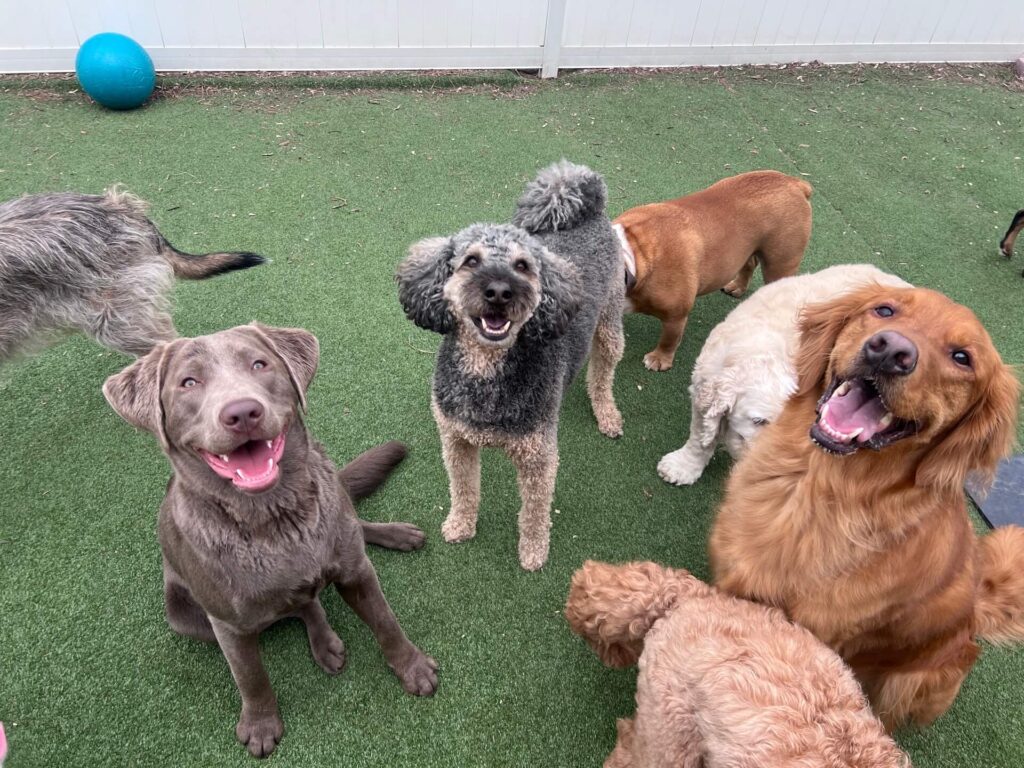
Watch for unsecured doors, gates, or fencing where a dog could easily slip through or get out. Notice heavily soiled areas, dirty water bowls, or lingering strong odors. Finally, assess how the facility matches dogs’ sizes and temperaments for group play.
Staffing and Supervision Red Flags
Watch how the staff interact with the dogs if you visit in person. Someone should actively follow group play and notice when a dog needs a break or some space. Staff should look engaged with the dogs, not distracted or stressed.
Documentation and Transparency Red Flags
Pay attention to what information the facility asks you to provide about your dog. Be cautious if no one asks about vaccinations, medications, feeding, health concerns, or how your dog does around others.
The facility should also be upfront about how they’ll reach you if something comes up and what you can expect in an emergency.
What to Pack and Prepare Before Drop-Off
Once you’ve chosen a boarding facility, a little prep can make drop-off easier. Check what the facility requires ahead of time so you don’t have to track down records or instructions at the last minute.
- Health Records: Bring any vaccination or health records the facility requires and make sure they’re up to date.
- Contact Information: Provide your current contact information along with an emergency contact in case the facility needs to reach someone during your dog’s stay.
- ID Tag: Double-check that your dog’s ID tag has your current phone number before you leave home.
- Medications: Let the facility know about any medications ahead of time and provide clear instructions. Ask how to package or label medications before drop-off.
- Food: If you’re bringing your dog’s regular food, portion and label it according to the facility’s instructions. Keeping their usual food also avoids making an unnecessary diet change during their stay.
- Leash or Dog Safety Gear: Bring a secure leash, carrier, or properly fitted dog safety harness for the trip to and from the facility.
- Comfort Items: If your dog settles better with a favorite blanket or toy, ask whether you can bring it along. Each facility may have different rules about what can stay with your dog.
How 4 Legged Friends Approaches Dog Safety in Livonia, MI
At 4-Legged Friends, we want to get to know your dog before you leave them with us overnight. Every new canine guest completes an assessment so our team can see how they settle in, learn more about their personality, and determine which of our dog boarding and lodging options fits them best.
Once they’re here, we follow the feeding and care instructions you provide while closely monitoring how they’re settling in. Our team is on-site 24/7, and our pet cams let you check in while you’re away.
Have questions before your dog’s first stay? Our team is happy to walk you through what they’ll need and what to expect for your dog’s safety.
Frequently Asked Questions
Do Dog Boarding Facilities Have Overnight Staff?
Overnight staffing varies between facilities, so ask who will actually be there once the daytime routine winds down. 4-Legged Friends’ team is on-site 24/7, with someone here throughout your dog’s stay.
What Vaccinations Does My Dog Need Before Boarding?
Requirements vary by facility. At 4-Legged Friends, canine guests need age-appropriate vaccinations and health records, with specific requirements for puppies. Check the requirements early, so you have time to talk with your veterinarian if your dog needs anything before their stay.
Is Boarding Safe for Puppies?
Puppies can board once they meet the facility’s age and health requirements, but check with your veterinarian before their first stay. At 4-Legged Friends, puppies can start at 12 weeks with two rounds of DHLPP, Bordetella, and a negative fecal test. Rabies and heartworm testing are required once age-appropriate.
What Should I Look for During a Boarding Facility Tour?
Ask if you can see the areas your dog will use, whether that’s through an in-person or virtual tour. Look at the sleeping and play spaces, how dogs move through doors and gates, and how staff supervise them. A facility should also be willing to answer questions about anything you can’t see for yourself.
Can I Check on My Dog While They’re Boarding?
That depends on the facility. Some offer cameras or updates so you can see how your dog is doing. With live pet cams at 4-Legged Friends, you can pop in from your phone or computer and see what your dog is up to during their stay.


